


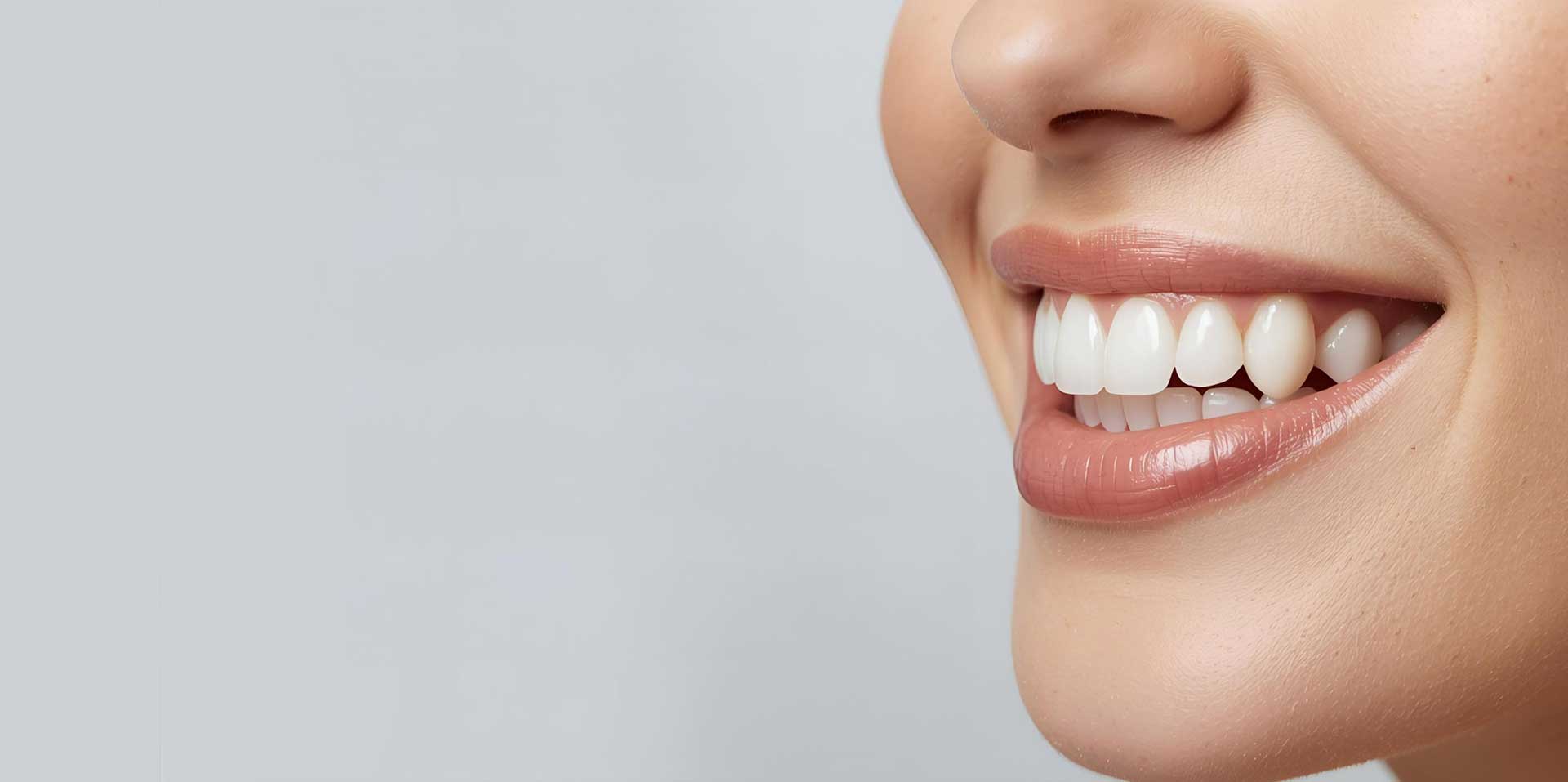
Repair & Protect Your Teeth
what is Fillings & Restorations
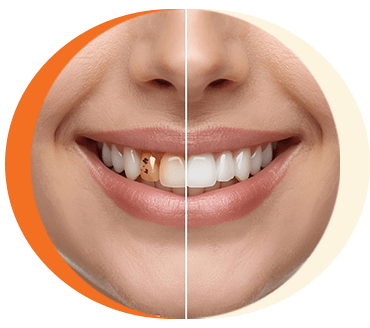
Tooth-coloured, adhesive restorations repair decay, chips, and wear while blending with your smile. We use minimally invasive techniques and moisture-controlled bonding for longevity and comfort. Material selection (composite, glass ionomer, nlay/crown) depends on defect size, location, and bite forces. Shade matching aims for seamless results.

Ideal Candidates
- Patients with cavities, chipped edges, localized wear, or failing fillings. Bruxers and dry-mouth patients may need tougher materials or bite protection.
- Conservative removal preserves healthy tooth
- Natural aesthetics; repairs possible without full replacement
- Partial coverage options (onlays) for larger defects
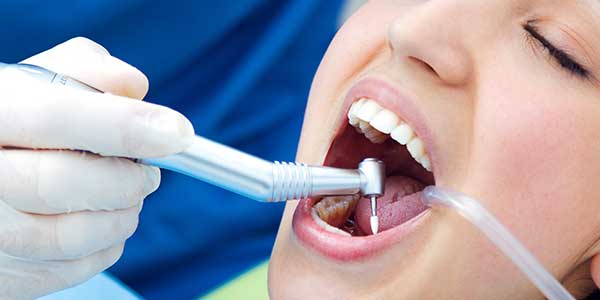
- Diagnosis & plan (radiographs as needed; choose material)
- Local anesthesia & isolation (rubber dam or isolation system)
- Conservative removal of decay/undermined enamel
- Adhesive protocol (etch/prime/bond; matrices/wedges for contact)
- Incremental placement & sculpting
- Curing, finishing, and high-polish
- Occlusion check (adjust if needed)
- Post-op guidance (sensitivity expectations, hygiene)
- Eat before anesthesia. Avoid chewing while numb. Mild sensitivity can occur for a few days. Keep brushing and interdental cleaning; use a nightguard if recommended.
- Very deep decay can irritate the pulp (rarely requiring RCT later). Very large fillings are more fracture-prone vs. onlay/crown.
- Sealants for tiny pits; onlay/crown for large structural losses; staged glass ionomer when moisture control is limited.
Bring Back Your Smile Strength with Expert Fillings & Restorations
 Book an Appointment
FAQ’S
Yes — shade-matched composites are highly aesthetic.
Many years with good hygiene and bite protection.
Dry field = stronger bond and fewer sensitivities.